
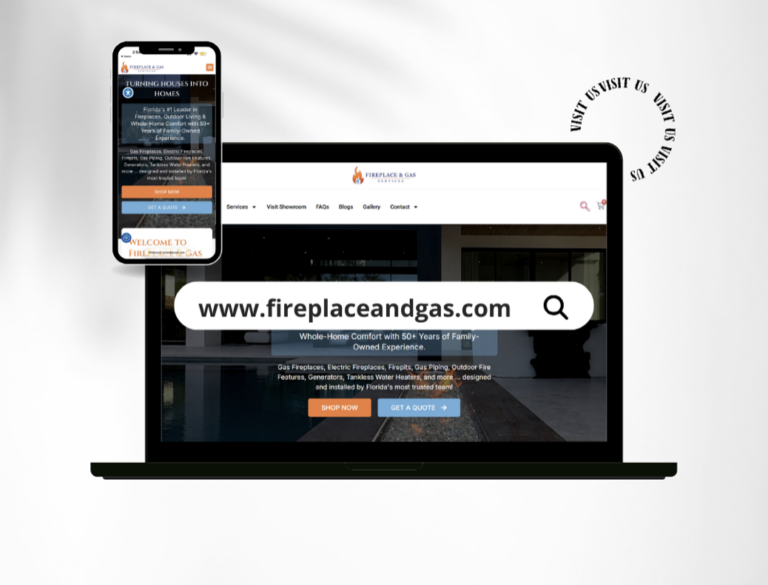
When I first started working with clients, I made the mistake of assuming that the lowest price always equaled the best value. I remember one project where a client was desperate to launch a website quickly and chose a budget-friendly developer based solely on cost. The result? A clean, functional site—but it lacked the depth of customization and the strategic touch needed to truly stand out. While it met the basic requirements, it didn’t align with the client’s brand identity or help them achieve their marketing goals. That experience taught me a valuable lesson: the best web developer isn’t always the cheapest one—it’s the one who understands your vision and delivers a solution that reflects it.
The Power of Client Research: Building a Foundation for SuccessWorking with a new client begins with asking the right questions. Whether it’s a small business owner or a large corporation, understanding their brand identity and marketing objectives is the cornerstone of any successful project. I’ve found that clients often have a clear idea of what they want, but they may not articulate it fully. For example, a local bakery might say, “I just need a website to sell my products,” but when I dig deeper, we uncovered a need for a modern, responsive design that emphasized trust and professionalism, and to highlight seasonal offerings.
This discovery phase isn’t just about filling out a form – it’s about building trust and alignment. I like to start with a conversation that goes beyond the surface. I ask about their audience, their competitors, and what makes their brand unique. One of my favorite stories involves a client who wanted to expand their brand into a new market. Through our discussions, we uncovered a need for a modern, responsive design that emphasized trust and professionalism, which directly influenced the website’s layout, color palette, and copy. The result? A site that not only drove traffic but also converted visitors into loyal customers.
Why Experience Matters: Beyond the Price Tag
When evaluating developers, I always ask: Are they a 22-year-old college student with fresh ideas, or a seasoned professional with years of experience? While both can bring value, their approach and outcomes differ significantly.
I’ve worked with a few young developers who were incredibly passionate and had a knack for innovative design. One student developer even created a stunning portfolio for a local artist using custom animations and a unique user flow. It was perfect for a creative, niche project. But when it comes to complex requirements, like integrating a CMS, optimizing for SEO, or building a scalable platform, I’ve seen how a seasoned professional’s expertise shines.
Take the case of a tech startup that needed a multi-functional e-commerce site with real-time inventory tracking and a seamless checkout experience. The developer we hired had over a decade of experience, and their portfolio showed a track record of delivering high-performing sites. They didn’t just build a website—they crafted a strategic digital asset that aligned with the startup’s growth goals.
Analyzing Portfolios: The Ultimate Test of Skill
A developer’s portfolio is like their résumé—but in action. I’ve learned to look for more than just flashy designs. Here’s what I prioritize:
– Consistency: Does their work reflect a cohesive style and approach across different projects?
– Problem-Solving: Can they show examples of how they tackled challenges specific to a client’s needs?
– Customization: Are their sites built from scratch, or are they just repurposing templates?
One memorable instance involved a developer who claimed to be an expert in WordPress but had a portfolio of identical blogs for various clients. While the sites were functional, they lacked the personality and depth that made the clients brand unique. On the flip side, a professional who built a custom booking system for a wellness clinic demonstrated attention to detail, user-centric design, and a deep understanding of their client’s goals. That’s the kind of work that stands the test of time.
The Value of Referrals: Trust is Key
I always ask clients for referrals, and I’ve found that this simple step can uncover hidden gems. For example, a client I worked with years ago recommended a developer who had helped their own business grow by 50% in six months. That developer not only delivered a high-quality site but also provided ongoing support and optimization, which was a game-changer for the client’s long-term success.
Referrals also help me validate a developer’s reputation. A seasoned professional will likely have a network of satisfied clients, while a newer developer might rely more on their own skills and a few projects. I’ve even had clients share stories about how a developer saved their business during a critical period, like a website redesign that coincided with a product launch. These anecdotes give me insight into their work ethic, communication style, and ability to adapt to challenges.
The Balance Between Price and Value
While cost is always a factor, I’ve learned that price alone isn’t the best indicator of quality. A student developer might offer a lower rate for a simple landing page, but a professional could charge more for a fully customized, scalable solution that includes features like analytics, social media integration, and a mobile-first design.
I once compared two developers for a client: one priced 30% lower but had a portfolio of cookie-cutter templates, and another with a higher rate but a history of creating high-converting, brand-aligned websites. The higher-priced developer delivered a site that not only looked great but also drastically improved the client’s online sales. The cost was justified by the return on investment and the long-term benefits.
Final Thoughts: Your Website is a Reflection of You
Choosing the right web developer is like choosing the right partner for a journey. It’s not just about building a site—it’s about crafting a digital representation of your brand and goals. By investing time in understanding your client’s needs, analyzing the developer’s experience, and leveraging referrals, you set the stage for a project that’s strategic, impactful, and aligned with their vision.
In my experience, the best outcomes come from prioritizing quality over cost and building relationships based on trust and shared objectives. If you’re ever unsure, ask yourself: Does this developer understand what my brand stands for? Can they deliver a solution that’s more than just functional? The answer will guide you toward the right choice.